
Incense Ingredients
Incense and spices
The main ingredients used in the manufacture of traditional Japanese incense

The raw materials for incense are special trees, which often grow long enough in a limited geographical area. The wood is aged for many years, soaking in the aroma of its resins within itself. Along with trees, natural flavors are used in the form of herbs, bushes, roots and other plants, which are still used in medicine and in the food industry. Some aromatic ingredients from the animal kingdom are also used. Truly, these are natural “Gifts of Nature”, plants that have an original aroma in itself, in combination with other, same plants, when mixed, they acquire an incredible depth of aroma, bringing new colors, experiences, and inspiration to everyday life.
1. 唐 木香: karamokko
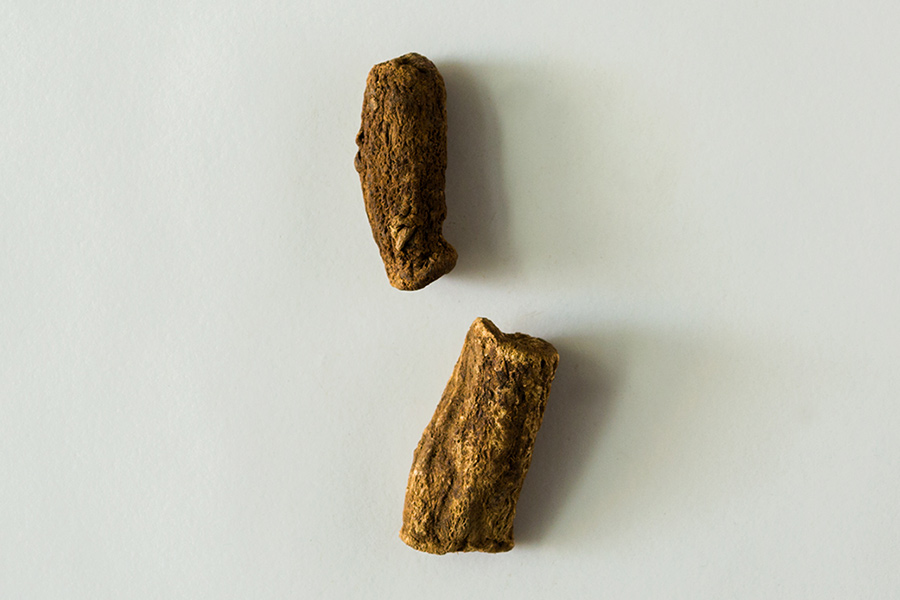
Caramocco
Obtained by drying the roots of perennial herbs of the family Asteraceae. This fragrance gives bitterness to the smell of incense. It is assembled in China.
2. 大茴香: daiuikyo
.jpg)
Daiyukyo (Badyan, Anis)
Star anise or Anise, it is an evergreen woody plant, a species of the genus Anne.
The plant is distributed in Southeast Asia (southwest China, Indochina). The fruits are used in traditional Chinese medicine, and also as a spice; oil is obtained from seeds. In addition, the fruits serve as raw materials for the manufacture of incense.
3. 丁字: choji
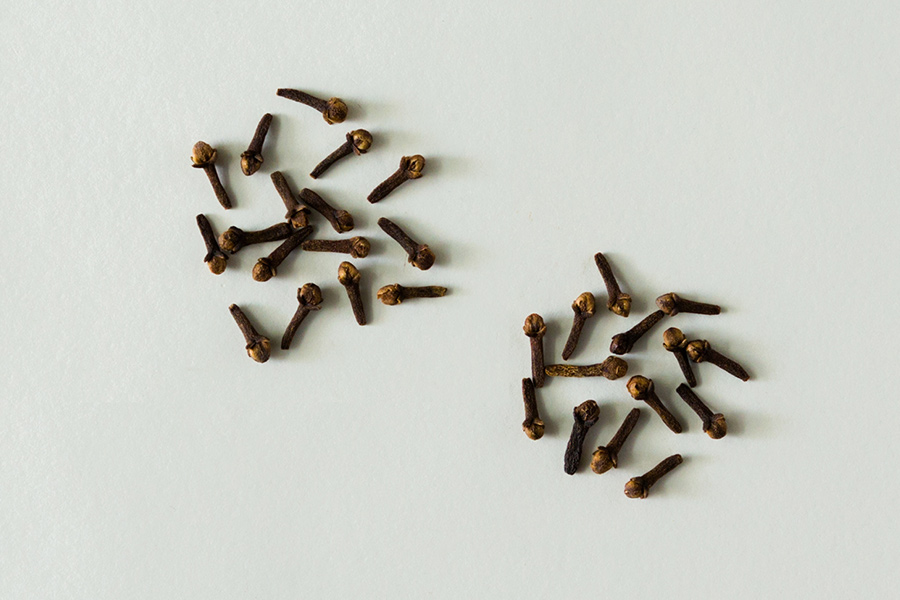
Choji (Carnation)
Clove is a spice that consists of dried unopened buds (flower buds) of a tropical clove tree (Sizigium aromaticum) from the genus Sizigium, sometimes referred to the genus Eugene, the myrtle family. It has a spicy, pronounced, strong aroma. One of the oldest spices used by mankind. Originally from Indonesia.
4. 零陵香: reiryoko
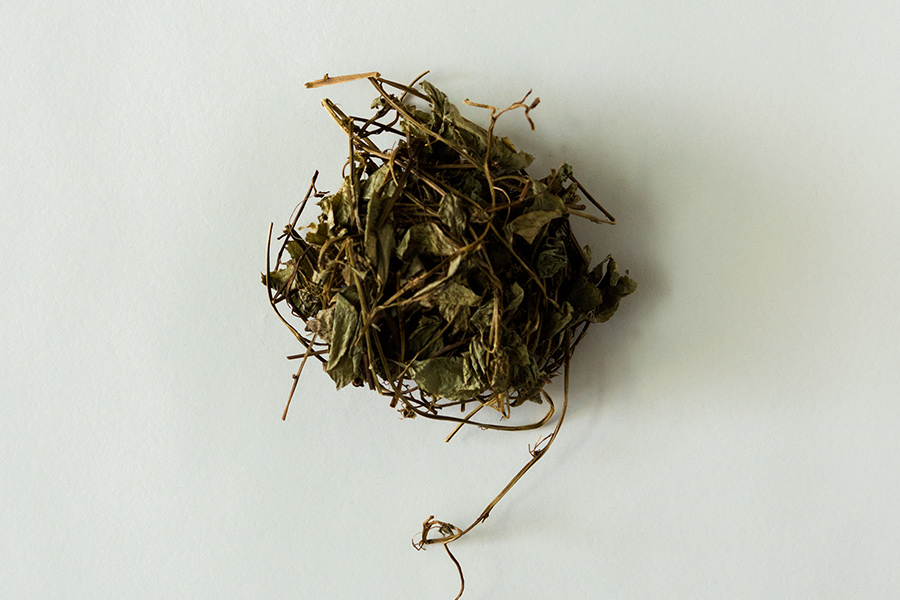
Reirioco
Seeds are used for medicinal purposes, and as spices. Homeland China.
5. 甘松: kansho
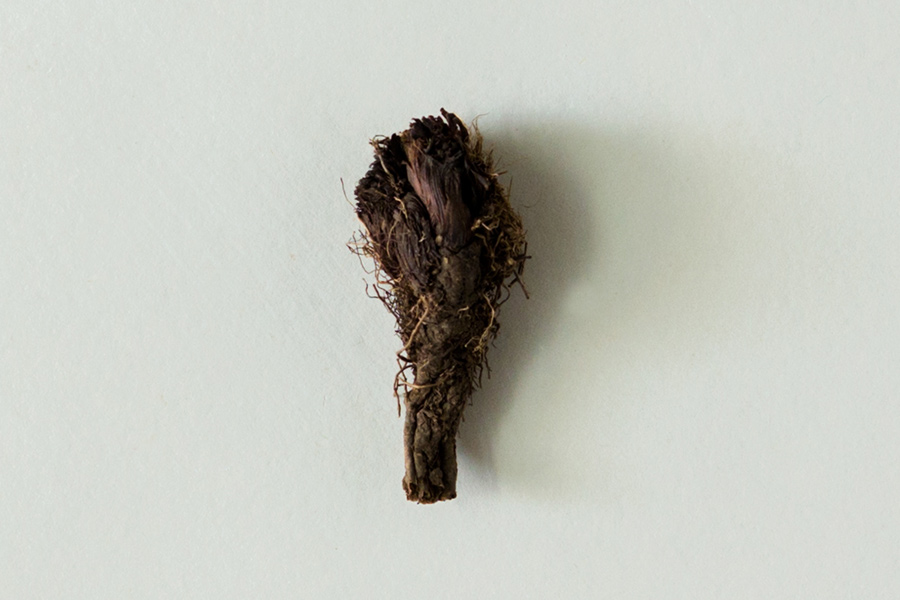
Kansho
Dried roots and rhizomes are used. Homeland China.
6. 藿香: kakko
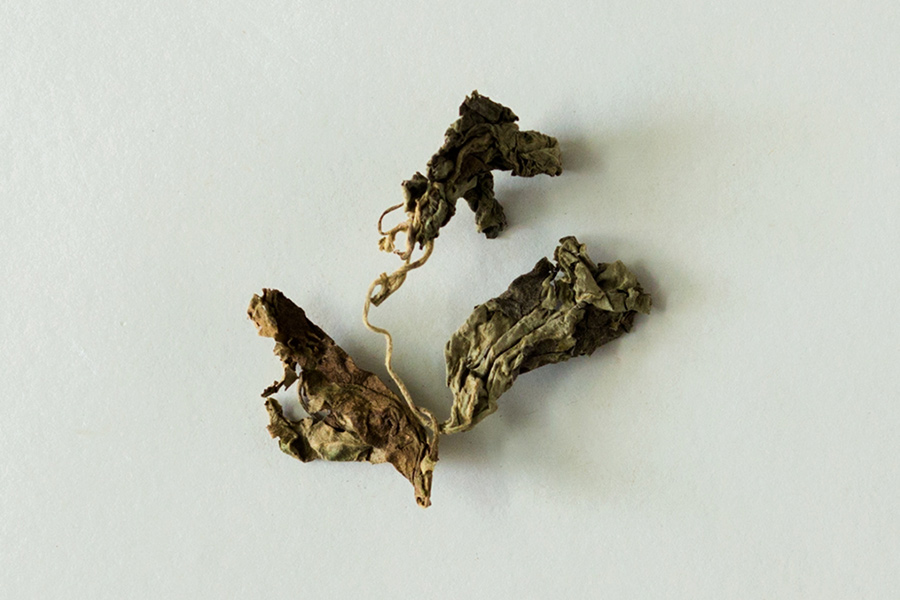
Kakko (patchouli)
A perennial plant of Labiat, also called patchouli. The whole plant or leaf is dried and used as a raw material for incense. Homeland Indonesia.
7. 山 奈: sanna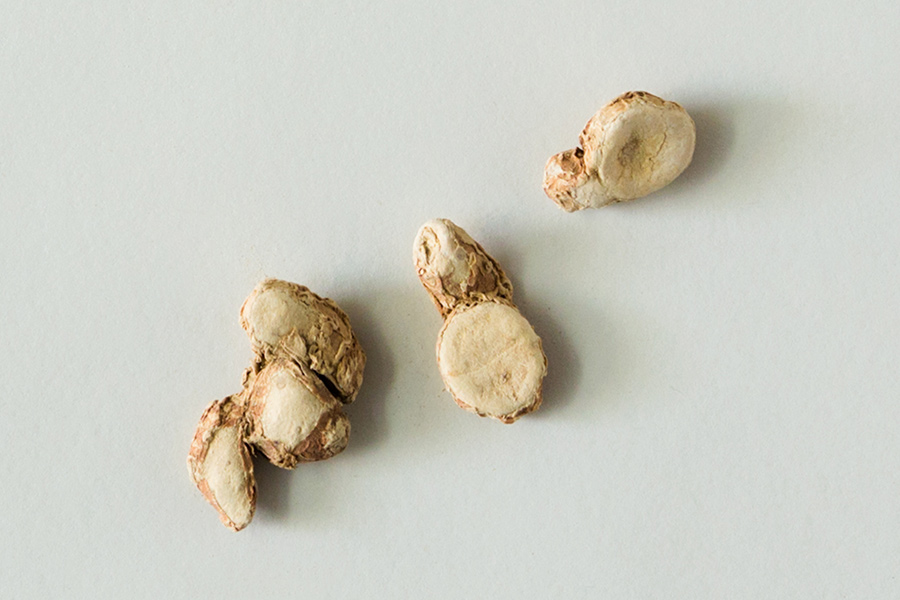
sanna (ginger)
Dried ginger rhizome. Originally from China and northern India.
8. 桂皮: keihi
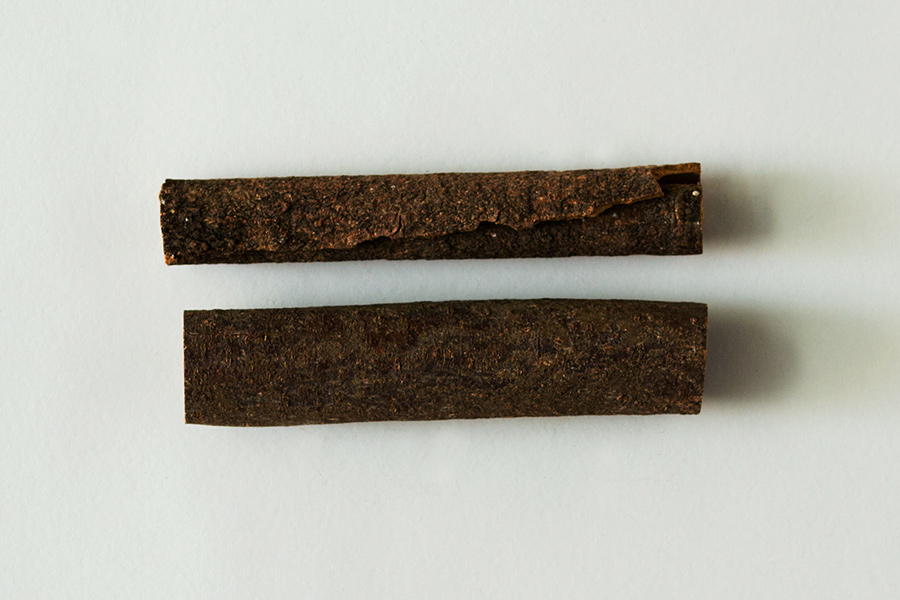
Keyhi (cinnamon bark)
Dried bark of an evergreen camphor tree. We all know cinnamon. Homeland China and Vietnam.
9. 龍 脳: ryuno
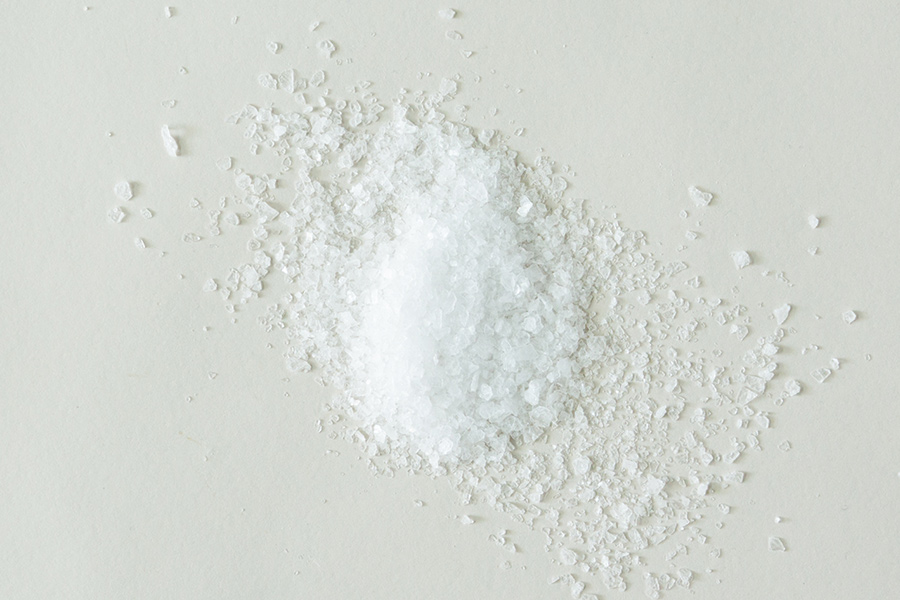
Ryuno (Dragon Brain)
Salt crystals that are mined from the evergreen tree of the Ditterocarp family. Ryuno's fragrance is also known for its insect repellent effect, and the smell of ink. Originally from Sumatra Indonesia.
10. 安息香: ansokuko
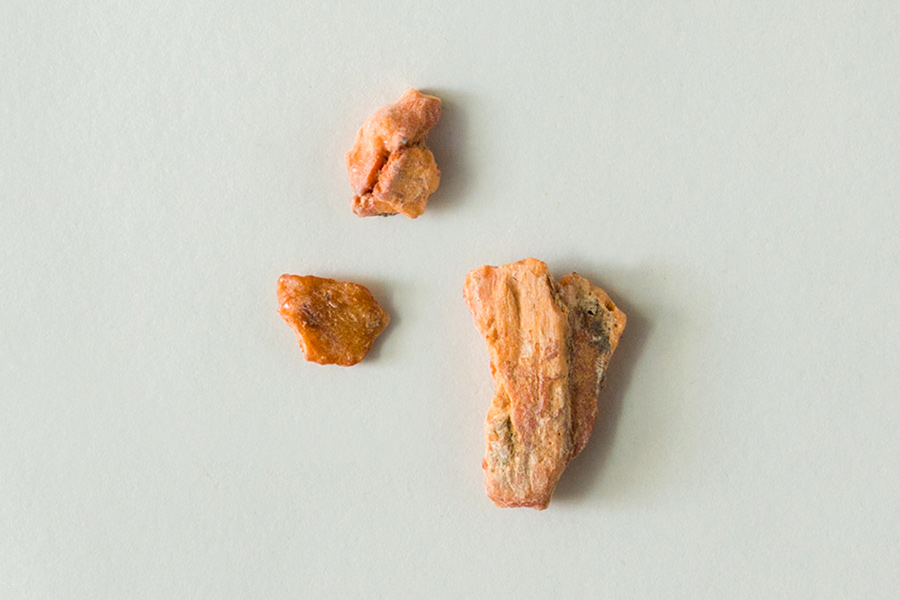
Ansakuko (Benzoin)
Resin of benzoic trees. A rich aroma, similar to a dense vanilla aroma with a calming effect. Originally from Thailand and Indonesia.
11. 没 薬: motsuyaku
·
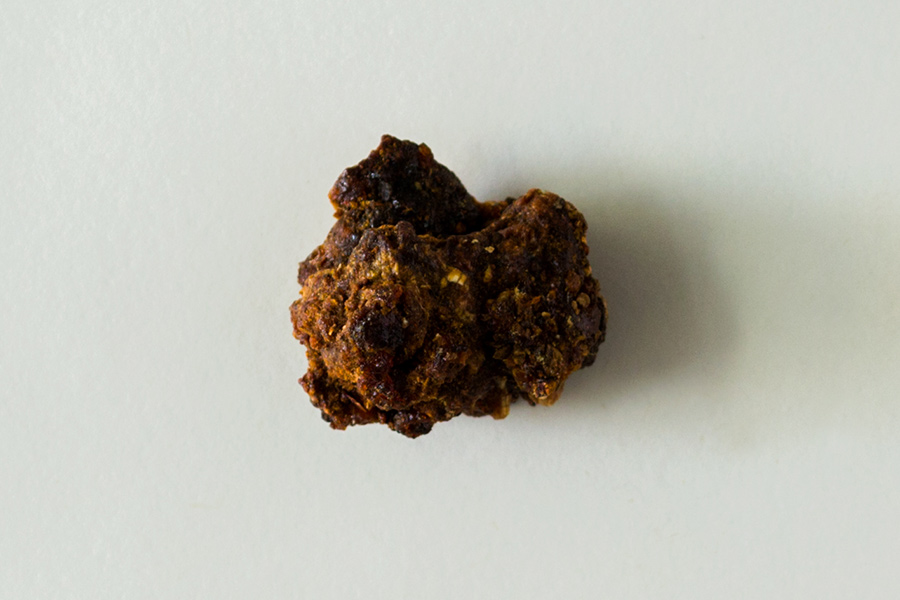
Motsuyaku (Myrrh)
The hardened aromatic resin of the Kammifora plant of the Burserian family. Ancient, "preservative" for mummies. It has a very pleasant, sweet aroma.
East Africa and the Arabian Peninsula.
12. 乳香: nyuko
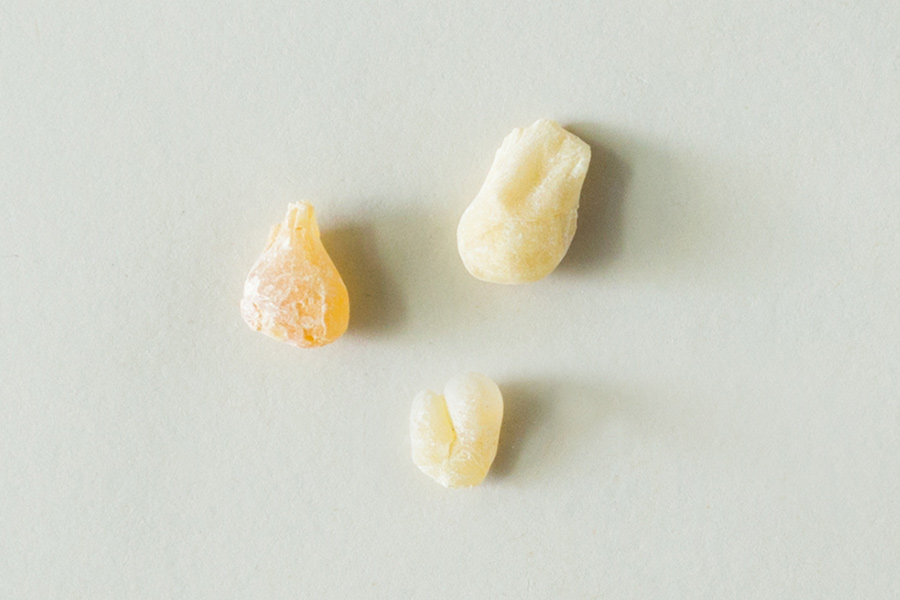
Nuko (Frankincense)
Hardened aromatic wood resin obtained from Boswellia (Incense tree) trees.
From ancient times used for rituals, tranquility, and relaxation. Originally from the Arabian Peninsula.
13. 龍 涎 香: ryuzenko
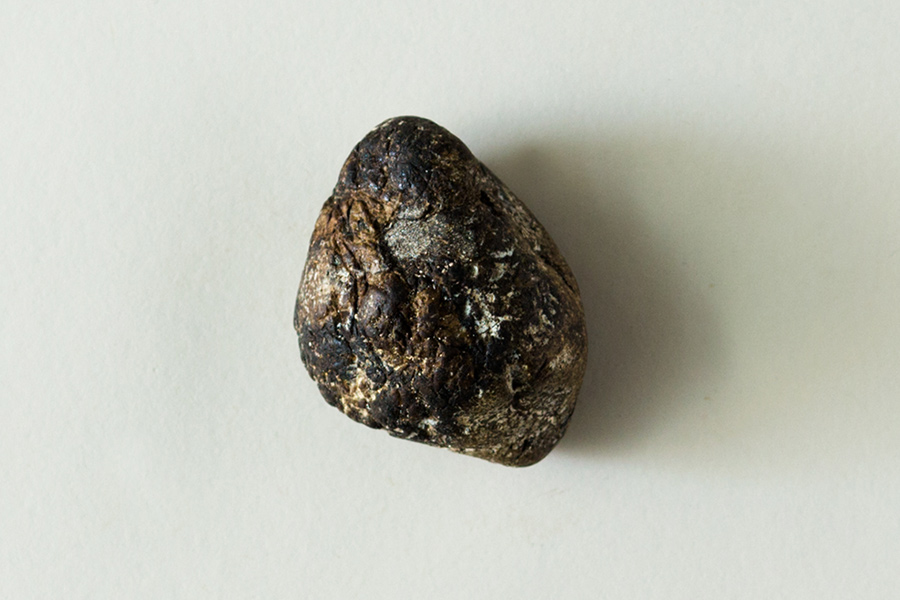
Ryuzenko (Amber)
A stone-like substance that forms in the intestines of sperm whales. Also called ambergris. Originally from the Indian Ocean and the South Pacific.
14. 貝 香: kaiko
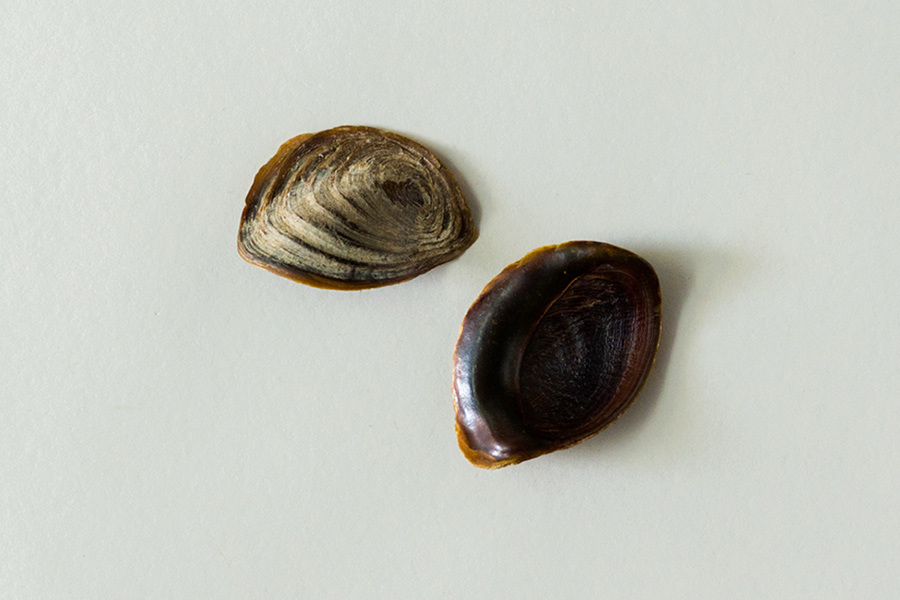
Caiko (Snail Shell)
Operculum (cap) is an aroma obtained from the shell of marine and freshwater gastropods (snails). The operculum of some gastropods, especially species living in the Red Sea, has long served as incense material in the culture of ancient Jews and Arabs. The mollusk caps Strombus tricornis and Lambis truncata sebae were most commonly used in the regions of the Middle East.
Shell powder is also an important component of Chinese and Japanese incense. There they call it “beishyan” (Chinese. 貝 香 - scent of a sea shell) or “kaiko:” (Japanese. 甲 香 - scent of a shell), respectively. Incense manufacturers in these countries use the sea gastropod operculum living in Southeast Asia, South America, and East Africa. Lids are traditionally dipped in vinegar, alcohol and water to remove the smell of the sea.
15. 麝香: jyako
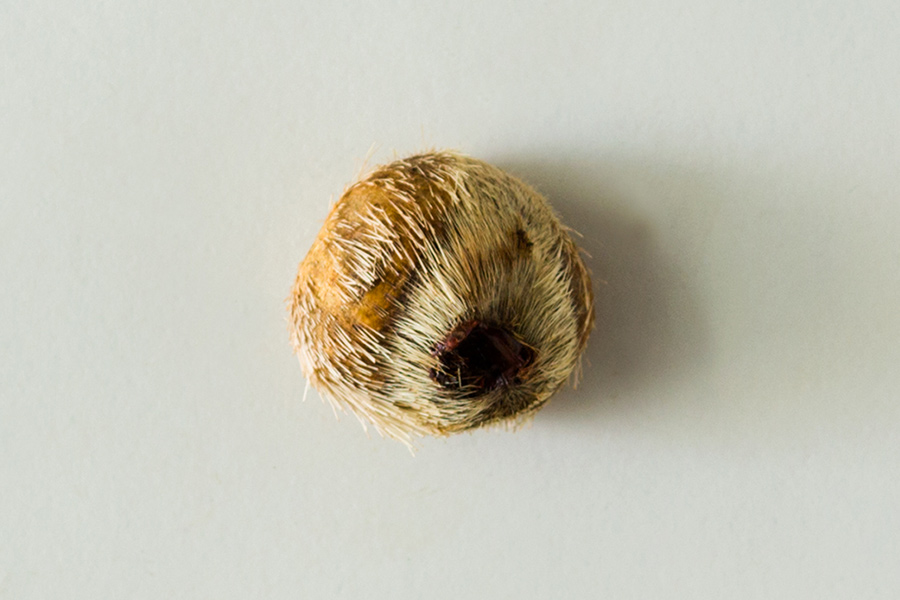
Jyako (Musk)
It is obtained from the musk gland of a male musk deer living in the mountainous regions of the Himalayas. On the belly is a musky gland filled with a thick, acutely smelling substance of brownish-brown color. The substance is also called musk. Originally from Tibet and Nepal.
16. 伽羅: kyara
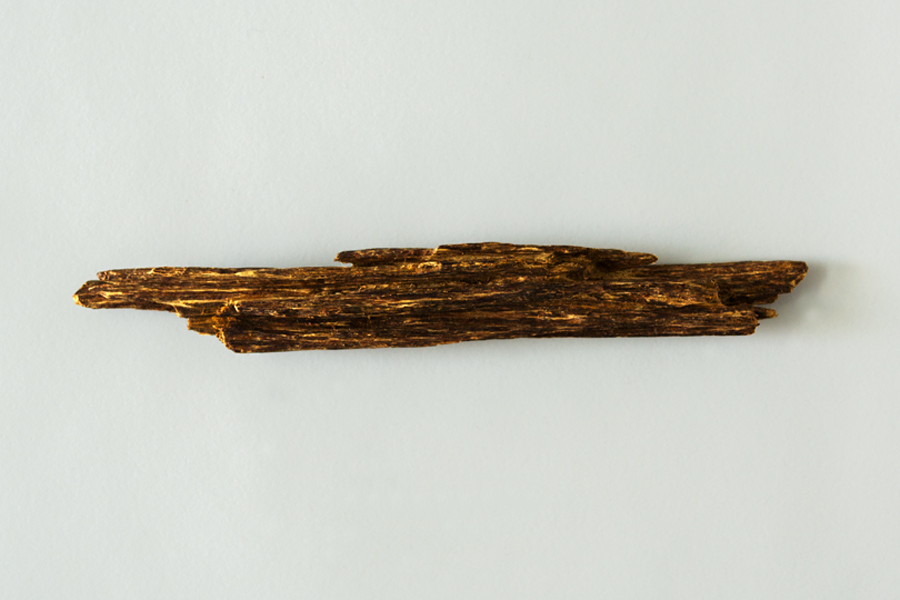
Chiara.
Chiara is aromatic resin impregnated wood (agar tree), which is the most valuable aromatic wood in the world of incense in general, and will be priced much more expensive than gold. A subspecies of the Daphnia family originating from the Aquilaria tree, growing in a limited geographical area of Vietnam, Cambodia and Indonesia. This is one of the few trees that can fully protect itself from infection by bacteria or fungi. For decades, a resin has formed in the roots, which has a rare and unusual smell. The most valuable specimens for hundreds of years lie in the ground. Chiara is the highest grade of natural incense ingredients.
17. 沈香: jinko
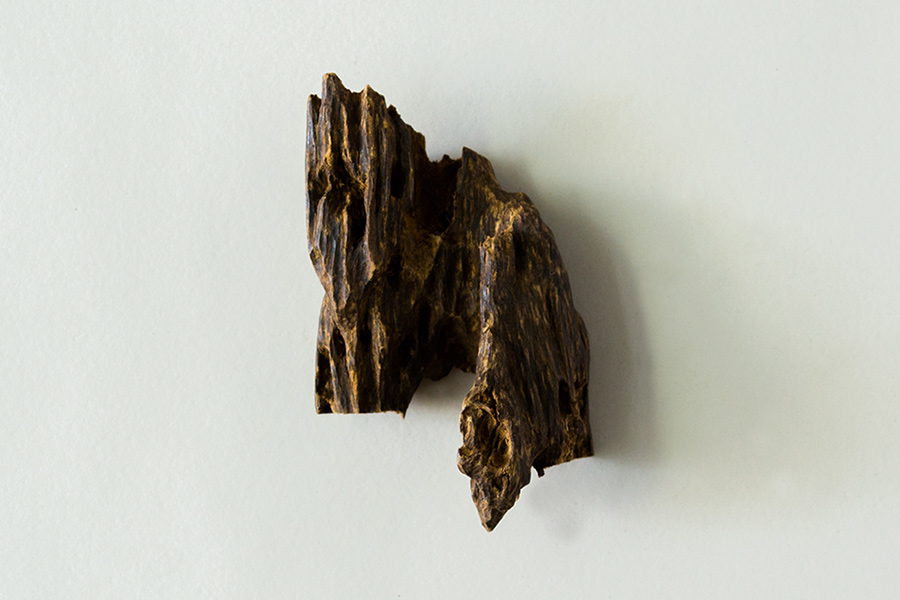
Jinko (Agarwood)
The resin of the tree of the genus Aquilaria, the family Daphnia, accumulates in the wood soaking it with aroma. Aromatic wood, hard, resinous, greasy to the touch, flammable and when burning spreading a very pleasant smell, has a very deep, soothing aroma. It is a type of chiaro. It is mined in a limited geographical area of Vietnam, Indonesia, and Cambodia.
18. 白 檀: byakudan
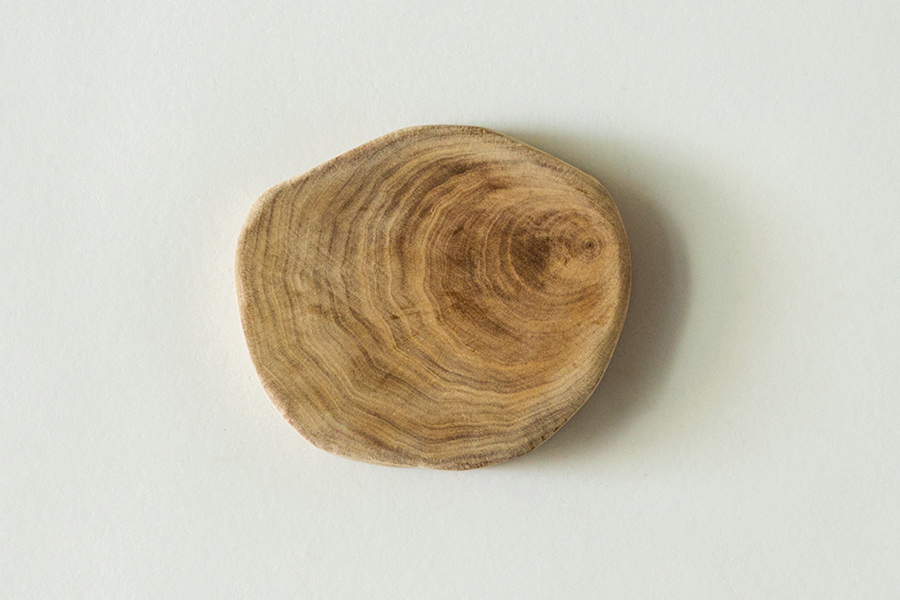
Byakudan (Sandalwood)
The main, and most common material in the manufacture of incense is sandalwood. In Japan, the sandalwood is called Byakudan. But sandalwood is grown mainly on Indian sandalwood plantations in Mysore. Indian sandalwood is of the highest quality and is highly regarded in the incense culture.


