
The Incense Book by Kiyoko Morita. Introduction
Introduction

Of the five physical senses of a person, most of us are probably the least valued sense of smell. Although we can wrinkle our nose from an unpleasant odor, the very existence of such smells plays an important role in our lives. Sometimes they can be warning signals in situations such as darkness, where our other feelings are not effective. Not only does smell have a practical function, but the lack of smell will certainly make our life much less interesting.
We often do not realize that we like certain scents, out of unconscious preferences. We can be attracted by the aroma of freshly brewed coffee, even if we drink tea, or by the fresh smell coming from an open window overlooking the greenery when we are indoors. We may prefer floral or citrus scents to the smell of bacon and eggs to wake up from sleep first thing in the morning. The sense of smell is also closely related to memory; just as visual images evoke memories of past experiences, so do smells. Whatever our preferences, our interpretations of odors are subjective, depending on our genetics, personality and experience.
Since ancient times, many types of smells and aromas penetrated human life, and people distinguished them. And yet, ironically, the more civilization developed, the narrower the range of smells became, until the creation of an odorless, artificially created environment became the norm. At certain points in history, people spent a lot of energy and significant amounts of money searching for and creating new scents, and scents to replace old scents. Their efforts led to the appearance of spirits in the West and incense in the East.
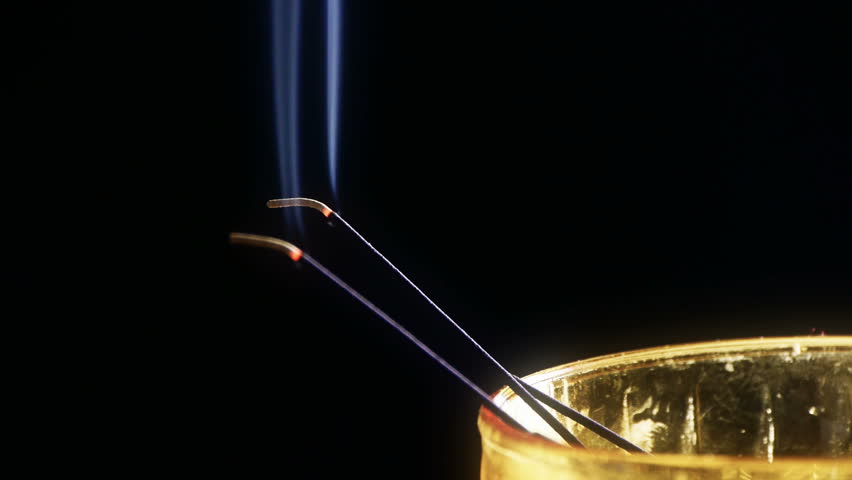
We now perceive expensive perfumes as integral elements of the world of fashion and romance, but perfumes were originally created in order to cover unpleasant body odors, in those days, modern hygiene products were unknown, access to bathing was not available, and bathing itself was actually considered harmful. In Asia, incense was also used to mask unwanted odors, but more often it was due to religious functions. Real perfumes, due to their high cost, are still available mainly in the society of wealthy people, but incense, on the other hand, has become part of popular culture.
In Japan, an “art form” appeared around the use of incense, and only in Japan, incense is used to increase understanding of the four seasons. Unlike perfumes, the aroma of incense can be quite faint and delicate; actually so subtle that we can understand why the Chinese used the expression “listen to incense” (wenxiang) rather than “smell incense”. This term was adopted by ancient Japanese incense connoisseurs, so in today's Japanese language they also “listen to incense” (mon-koh, the Japanese pronunciation of the Chinese expression “wenxiang”). We will use the expression “listen to incense” in this book.
Since the varieties and use of incense in Japan are unique, we will call the Japanese incense "Ko," and the ceremonial use of "Ko," call "Ko-Do" (incense ceremony). Many other forms of Japanese art, such as the tea ceremony, flower decoration (ikebana), and kabuki, are relatively widely known outside of Japan. The incense ceremony, on the other hand, is still a big mystery. Co-do allows you to open new areas of smell - a fragrant world, with benefits for the psyche. If you can set aside any prejudices about incense in order to fully experience the “ko” ceremony, the lucky result for you will be the ability to evaluate the “incense time” as well as the “tea time” for relaxation, refreshment and association with other people.


